
Selecting the right enterprise resource planning (ERP) solution is one of the most crucial decisions a jewelry business can make. From managing intricate inventory systems to streamlining customer relations and integrating diamond certification processes, a tailored ERP platform can revolutionize how a jewelry company operates. However, choosing the right vendor is not always straightforward. That’s why having a jewelry ERP vendor evaluation checklist is vital. This checklist ensures that every important factor, like functionality, support, scalability, integration, and industry expertise, is assessed thoroughly before committing to a system that will define your business operations for years to come.
Jewelry ERP Vendor Evaluation Checklist Essentials
Evaluating ERP vendors for the jewelry industry requires looking beyond generic business software. The jewelry trade involves unique complexities, including tracking gemstones, maintaining precious metal inventories, managing custom designs, and ensuring compliance with industry-specific regulations. Below are the essentials that every jewelry company should include in its evaluation process.
Key Items in a Jewelry ERP Vendor Evaluation Checklist
1. Industry-Specific Functionality
A jewelry ERP should be designed with the nuances of the trade in mind. Standard ERP systems might handle inventory and accounting well enough, but they often lack modules for grading, certification tracking, gemstone categorization, and pricing that fluctuates with metal markets. The right system should include features such as:
- Multi-level bill of materials for complex jewelry designs.
- Barcode or RFID tracking for individual pieces and gemstones.
- Integrated metal and gemstone price updates.
- Custom design and repair order management.
- Certification and grading management for diamonds and gemstones.
The software must mirror your operational reality, not the other way around. A vendor with deep jewelry industry expertise can offer pre-configured workflows that save time and reduce customization costs.
2. Integration Capabilities
Your ERP system should seamlessly connect with other software platforms critical to your business, such as point-of-sale systems, e-commerce stores, CAD design tools, and accounting software. Ask vendors how easily their solution integrates with Microsoft Office, QuickBooks, Shopify, or Magento. Smooth integration not only prevents data silos but also ensures consistency across departments, from sales to production to finance.
3. Customization and Scalability
Jewelry businesses grow and evolve, and your ERP system should grow with you. Evaluate how customizable each solution is to your unique workflows and how easily it can scale as your operations expand. A vendor that offers modular solutions lets you add new features when needed without having to overhaul your entire system.
4. Data Security and Compliance
With sensitive information about customers, transactions, and inventory, your ERP must include strong security measures. Look for role-based access controls, audit trails, data encryption, and cloud backup features. Additionally, make sure the system complies with any applicable regional regulations or data privacy standards.
5. User Experience and Training
A powerful ERP is only as good as its usability. Jewelry businesses often have diverse staff, from gemologists and sales associates to accountants and designers. The software interface should be intuitive and accessible to non-technical users. Ask vendors about their training programs and whether they provide easy-to-understand documentation or on-demand learning resources.
6. Vendor Reputation and Experience
Choose a vendor that has a proven track record in the jewelry industry. Request case studies, customer references, or testimonials from similar-sized companies. Vendors with long-standing industry relationships tend to understand the challenges specific to jewelry retailers, manufacturers, and diamond traders better than generic software providers.
7. Cost Transparency
ERP pricing can be complex, involving license fees, implementation costs, training, and ongoing maintenance. Ensure that the vendor provides a clear and comprehensive breakdown of all associated costs. Avoid vendors who withhold critical pricing details until late in the sales process.
8. Cloud vs. On-Premise Flexibility
Consider whether you need an on-premise solution for tighter control or a cloud-based ERP for flexibility and accessibility. Cloud ERP systems often offer lower upfront costs, automatic updates, and better scalability. However, some jewelers prefer on-premise installations for greater data control. Your vendor should offer flexible deployment options tailored to your needs.
Importance of Post-Implementation Support
Implementing an ERP system is only the beginning. Post-implementation support determines whether your system continues to deliver value over time. Jewelry businesses can’t afford prolonged downtime, especially during high sales seasons or trade events. That’s why vendor support quality is a critical criterion in your jewelry ERP vendor evaluation checklist.
1. Availability and Responsiveness
Ask about the vendor’s support hours, response times, and service level agreements (SLAs). For global jewelry operations, 24/7 support can be crucial.
2. Dedicated Account Management
Vendors that assign a dedicated account manager provide continuity and a deeper understanding of your business. This approach minimizes frustration and ensures that support requests are handled efficiently.
3. Regular Updates and Maintenance
Your ERP system must evolve with your business and technology changes. Confirm that your vendor provides regular updates, bug fixes, and feature enhancements. These updates should improve security and performance without causing major disruptions.
4. Training and Knowledge Sharing
Continuous learning opportunities help staff get the most out of the ERP system. Vendors that provide refresher courses, online tutorials, or webinars empower your team to leverage the system fully.
Reliable post-implementation support not only protects your investment but also ensures long-term operational stability.
Red Flags to Spot in Vendor Proposals
When reviewing ERP vendor proposals, it’s important to recognize potential warning signs that could signal trouble ahead.
1. Lack of Jewelry Industry Experience
A vendor may promise to “customize” a generic ERP system for jewelry businesses, but this often leads to higher costs, longer implementation times, and features that don’t fully meet industry requirements. Vendors should have demonstrable jewelry business expertise backed by case studies or client references.
2. Vague Implementation Timelines
If a vendor avoids giving specific milestones or deadlines, it may indicate that they lack a structured deployment process. Look for a detailed project plan that includes phases for data migration, testing, training, and go-live.
3. Limited Integration Options
ERP systems that operate in isolation will create data silos. If the vendor’s system doesn’t support integration with your existing tools, you could face costly workarounds later.
4. Overly Complicated User Interface
Some ERP systems boast a wide range of features but overwhelm users with complexity. A cluttered interface can reduce adoption rates and lead to operational inefficiencies.
5. Hidden Costs
Unclear pricing structures, additional fees for basic features, or mandatory long-term contracts can all spell trouble. Ensure transparency from the start and request a full cost breakdown, including maintenance and future upgrades.
Spotting these red flags early helps you avoid expensive missteps and ensures that your ERP implementation proceeds smoothly.
What to Ask Before Choosing an ERP Provider
Before committing to any ERP vendor, jewelry business owners and managers should conduct thorough due diligence. The questions you ask can reveal how well a vendor understands your industry and how committed they are to a long-term partnership.
1. How long have you been serving the jewelry industry?
Experience matters. A vendor that has served jewelry businesses for years is more likely to have encountered and solved the same challenges you face.
2. What jewelry-specific features does your ERP system include out of the box?
Look for modules built specifically for jewelry operations, such as diamond inventory management, custom job tracking, and hallmarking management.
3. How easily can your ERP system integrate with our existing tools and e-commerce platforms?
Integration capabilities determine how efficiently your data flows between departments. Confirm that the system connects seamlessly to your accounting, CRM, and online sales channels.
4. What is your typical implementation timeline?
Request a clear roadmap from system setup to go-live, including milestones for testing and staff training.
5. What kind of ongoing support do you provide?
Ask about support packages, escalation paths, and how frequently updates are released. Reliable vendors provide continuous improvement, not just reactive support.
6. How do you handle upgrades and new features?
Some vendors charge extra for upgrades or require complete reimplementation. Ensure that updates are seamless and do not disrupt your operations.
7. Can you provide customer references or case studies?
Talking to existing clients helps validate the vendor’s claims and provides insight into their performance and support quality.
8. What is the total cost of ownership (TCO) over five years?
The initial license fee is only part of the cost. Ask for estimates on implementation, customization, support, and future upgrades to determine the full financial impact.
9. How does your solution improve operational efficiency?
Look for concrete examples of how the ERP can automate routine tasks, reduce errors, or enhance reporting.
These questions help you distinguish between generic software providers and vendors who truly understand and serve the jewelry industry.
Comparing ERP Vendors for Jewelry Businesses
When it’s time to compare vendors, consider creating a weighted scoring system based on your business priorities. The categories below can help guide your comparison process and ensure you make an informed decision.
1. Functional Fit
Evaluate how closely each ERP system aligns with your operational processes. Prioritize jewelry-specific functions such as gemstone grading, repair tracking, and precious metal costing.
2. Ease of Implementation
Some ERP systems require months of customization, while others offer quick deployment with pre-built industry templates. Vendors who specialize in jewelry ERPs typically have faster and smoother implementation cycles.
3. Integration and Compatibility
Rank each vendor on their ability to integrate with existing systems and tools. Compatibility with e-commerce platforms and financial software is particularly critical for jewelry retailers and wholesalers.
4. Vendor Stability and Reputation
Research each vendor’s history, client base, and financial stability. Reliable vendors with a proven track record in the jewelry industry are less likely to pose long-term risks.
5. Total Cost of Ownership
Compare not only the upfront licensing costs but also long-term expenses for training, maintenance, and upgrades. Be wary of vendors that offer low entry prices but impose high annual fees.
6. Support and Service Quality
Evaluate the responsiveness, accessibility, and technical expertise of each vendor’s support team. Read reviews or testimonials to gauge how vendors handle post-implementation issues.
7. User Experience and Training
Consider the learning curve for your staff. A system that’s intuitive and well-documented will reduce training time and promote widespread adoption.
8. Scalability and Future Readiness
Ensure the ERP can scale as your business grows, whether you expand into new markets or introduce additional product lines. Cloud-based solutions often provide the flexibility and scalability required for modern jewelry operations.
Bringing It All Together
Once your team has gathered data on each vendor, hold a collaborative review session to compare findings. Consider creating a scorecard that rates each vendor across key criteria such as functionality, integration, usability, and support. The highest-scoring vendor may not necessarily be the cheapest, but they will likely deliver the best long-term value.
Why a Jewelry-Specific ERP Makes the Difference
Generic ERP systems often fail to address the complexity of jewelry businesses. They lack features such as gemstone traceability, flexible pricing tied to metal market fluctuations, and customized reporting for high-value inventory. A jewelry-focused ERP system provides a tailored experience designed to streamline production, manage certifications, and support both retail and wholesale operations.
When a system is built for your industry, it reduces the need for heavy customization, shortens deployment times, and offers immediate value. It also ensures that every module, from design to accounting, works harmoniously under a single, integrated platform.
Choose a Partner Who Understands the Jewelry Business
Selecting an ERP system is not just a software purchase; it’s a strategic partnership that shapes how your business operates and grows. The best vendor will take time to understand your processes, customize solutions for your needs, and support you long after implementation.
A comprehensive jewelry ERP vendor evaluation checklist ensures that you’re making a decision based on data, not promises. It helps you identify vendors who align with your business objectives, budget, and long-term vision.
Partner with Business Computing (BCI)
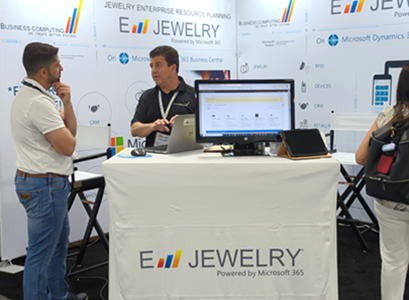
At Business Computing (BCI), a proud Microsoft Partner, we understand the unique demands of the jewelry and diamond industries. As the developer of e-Jewelry Software©, our mission has always been to deliver ERP solutions that are intuitive, full-featured, and built specifically for jewelers, diamond traders, and manufacturers.
We believe every jewelry business deserves software that fits their processes, not the other way around. Our solution combines robust functionality with simplicity, ensuring it’s easy to use, highly integrated, and scalable for businesses of all sizes. Whether you’re a small workshop or an international jewelry enterprise, BCI offers a solution tailored to your needs.
Join hundreds of jewelry businesses that have streamlined their operations, improved inventory control, and enhanced profitability with e-Jewelry Software©. Contact us today to learn how our team can help your business run more efficiently and grow with confidence.