
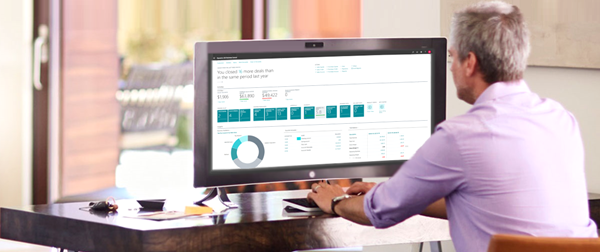
Enterprise Resource Planning systems play a critical role in modern businesses by integrating financials, inventory, customer data, supply chain operations, and more into a single platform. When organizations upgrade, replace, or consolidate their ERP platforms, they must move large volumes of essential information from legacy systems into the new environment. This is where ERP data migration services become essential.
ERP data migration services ensure that data is transferred accurately, securely, and efficiently between systems while preserving business continuity. Without a structured migration process, organizations risk data loss, corruption, operational downtime, and compliance issues. Proper migration services help businesses maintain reliable records, protect critical information, and ensure their new ERP platform performs exactly as expected.
For industries that rely heavily on detailed operational data, such as inventory tracking, customer records, financial reporting, and order management, a well-managed ERP data migration is not simply a technical task. It is a strategic process that directly affects productivity, compliance, and long-term scalability.
Below, we explore what ERP data migration services involve, the steps required for a secure migration, and why businesses must treat this process as a critical part of any ERP transition.
What Are ERP Data Migration Services?
ERP data migration services involve the planning, extraction, transformation, and transfer of data from one ERP system or database to another. These services ensure that all critical information moves from legacy systems to modern platforms without errors, inconsistencies, or disruptions to daily operations.
Businesses typically require ERP data migration services when:
- Upgrading to a newer ERP platform
- Consolidating multiple systems into one unified platform
- Moving from on-premises ERP systems to cloud solutions
- Implementing industry-specific ERP software
- Replacing outdated software that no longer meets operational needs
The process is far more complex than simply copying files from one database to another. ERP systems often store data in different formats, structures, and schemas. Migration specialists must map fields, standardize data formats, eliminate duplicates, and validate every record before the information becomes usable in the new system.
A professional migration service typically includes:
- Data extraction from legacy databases
- Data cleansing and normalization
- Field mapping between old and new ERP structures
- Data transformation to meet new system requirements
- Secure data transfer and loading
- Post migration validation and testing
Organizations that invest in structured ERP migration services reduce the risk of operational disruption while ensuring their new system begins with clean, accurate, and reliable data.
Key Steps in a Secure Data Migration Process
Successful ERP data migration requires careful planning, technical expertise, and extensive testing. Each phase of the migration process plays a critical role in protecting data accuracy and minimizing risk.
Below are the key steps typically involved in a secure ERP migration process.
1. Data Assessment and Planning
The first stage involves evaluating the current ERP environment and identifying which data must be migrated. Not all legacy data should necessarily move to the new system.
During this stage, teams:
- Identify critical datasets
- Evaluate data quality and completeness
- Determine which records should be archived or removed
- Create a migration timeline and strategy
Proper planning ensures that the migration process remains organized and aligned with business priorities.
2. Data Mapping
Data structures between ERP systems often differ significantly. Field names, formats, and relationships may not match directly.
Data mapping involves:
- Matching fields between the source and destination systems
- Defining transformation rules
- Ensuring that data relationships remain intact
This stage ensures that information from the old system fits correctly within the structure of the new ERP environment.
3. Data Cleansing
Legacy systems often contain duplicate, incomplete, or outdated records. Migrating poor-quality data can cause major issues in the new ERP platform.
Data cleansing includes:
- Removing duplicate records
- Correcting inconsistencies
- Standardizing formats
- Eliminating obsolete data
Clean data improves reporting accuracy and system performance.
4. Data Migration Execution
Once the data is prepared, it is transferred into the new ERP system using specialized tools and scripts designed to preserve data integrity.
This phase includes:
- Secure data transfer
- Controlled loading into the new system
- Monitoring for migration errors
- Documenting the migration process
5. Post Migration Testing
After migration is complete, testing ensures that all records have transferred correctly and that the new system functions as expected.
Organizations verify:
- Record counts and data accuracy
- Financial balances and transaction histories
- Inventory quantities and product details
- Customer and vendor information
Thorough validation confirms that the ERP system is ready for operational use.
How ERP Data Migration Services Ensure Data Integrity
Data integrity is one of the most important goals during ERP migration. Businesses rely on their ERP systems for financial reporting, inventory management, order processing, and compliance documentation. Any corruption or loss of data can create significant operational challenges.
ERP data migration services protect data integrity through several key practices.
Data validation and verification
Migration teams run automated checks to ensure records remain consistent before and after migration.
Controlled migration environments
Data is often migrated through staging environments where testing can occur before information reaches the live system.
Audit trails
Detailed logs track every step of the migration process. This ensures transparency and simplifies troubleshooting if issues occur.
Backup protection
Before migration begins, full backups of the legacy system are created to protect against unexpected data loss.
These safeguards ensure that businesses maintain accurate records while transitioning to a new ERP platform.
Risks of Improper ERP Data Migration
Without proper planning and expertise, ERP migrations can introduce significant risks that affect both operations and financial reporting.
Some of the most common risks include the following.
Data loss
Improper extraction or mapping can cause critical records to disappear during migration.
Data corruption
Incorrect formatting or transformation can damage records, making them unusable in the new system.
Operational downtime
Migration errors may require system rollbacks or extended troubleshooting, disrupting business operations.
Compliance violations
Industries that require detailed transaction records may face regulatory issues if migration errors affect financial data.
Poor reporting accuracy
Incomplete or inaccurate data leads to unreliable reports, which can negatively impact business decision-making.
Because ERP systems sit at the core of business operations, these risks make professional migration services a critical investment rather than an optional step.
Common Data Types Migrated Between ERP Systems
ERP systems store a wide range of operational and financial data. During migration, organizations must transfer several categories of information to maintain continuity.
Common data types include:
Customer and vendor records
These include contact details, transaction histories, account balances, and communication records.
Financial data
Accounting information such as general ledger entries, accounts payable, accounts receivable, and historical transactions must remain accurate after migration.
Inventory records
Inventory levels, product descriptions, SKUs, serial numbers, and warehouse locations must transfer accurately to maintain supply chain continuity.
Sales and purchase orders
Historical and active orders must migrate to maintain accurate reporting and customer service capabilities.
Product and catalog information
Businesses often maintain extensive product databases containing specifications, pricing structures, and configuration rules.
For industries such as jewelry and diamond trading, these records may also include gemstone specifications, certifications, and valuation details that must remain accurate throughout the migration process.
Testing and Validation During Migration
Testing and validation play a crucial role in ensuring migration success. Even small data discrepancies can create operational issues if they go unnoticed.
Testing typically occurs in several phases.
Unit testing
Individual data sets are migrated and verified to ensure proper mapping and formatting.
System testing
The migrated data is tested within the ERP environment to confirm that workflows and reporting functions operate correctly.
User acceptance testing
Business users review the migrated data to confirm that records match their expectations and operational needs.
Final validation
Before the system goes live, teams compare legacy and migrated datasets to confirm that totals, balances, and record counts match exactly.
Comprehensive testing allows businesses to identify and correct issues early before the system becomes operational.
Frequently Asked Questions
What is ERP data migration?
ERP data migration is the process of transferring business data from one ERP system to another while ensuring accuracy, integrity, and compatibility with the new platform.
When do companies need ERP data migration services?
Organizations need these services when upgrading ERP platforms, consolidating systems, moving to cloud solutions, or implementing industry-specific ERP software.
How long does ERP data migration take?
Migration timelines vary depending on the volume of data, system complexity, and testing requirements. Projects can range from several weeks to several months.
What happens if ERP data migration is done incorrectly?
Improper migration can result in data loss, corrupted records, reporting inaccuracies, operational downtime, and compliance issues.
Can old ERP data be cleaned during migration?
Yes. Data migration projects often include cleansing processes that remove duplicates, correct errors, and eliminate outdated records.
Empower Your Jewelry Business with the Right ERP Expertise
For jewelry businesses, ERP systems must handle unique operational requirements such as gemstone tracking, inventory precision, certification records, and specialized financial reporting. Migrating this complex data between systems requires deep industry knowledge and proven technical expertise.
Business Computing Inc. understands the challenges that jewelry companies face when transitioning to modern ERP solutions. As a trusted Microsoft Partner and the developer of e-Jewelry Software©, Business Computing has built solutions specifically designed for jewelry and diamond businesses.
At Business Computing, we believe that software should match the way jewelers work. Our mission has always been to provide software that is intuitive, full-featured, highly integrated, easy to use, and easy to upgrade. Our industry-specific ERP solution helps jewelers, diamond traders, and importers manage their operations efficiently while supporting long term business growth.
With the right ERP platform and a carefully planned migration strategy, your business can move forward with confidence knowing that your critical data remains secure, accurate, and ready to power the next stage of your operations.
Learn how Business Computing and e-Jewelry Software© can support your ERP transition and help your jewelry business run smarter, faster, and more efficiently. Contact us to discover how our specialized ERP solutions can transform your operations today.