
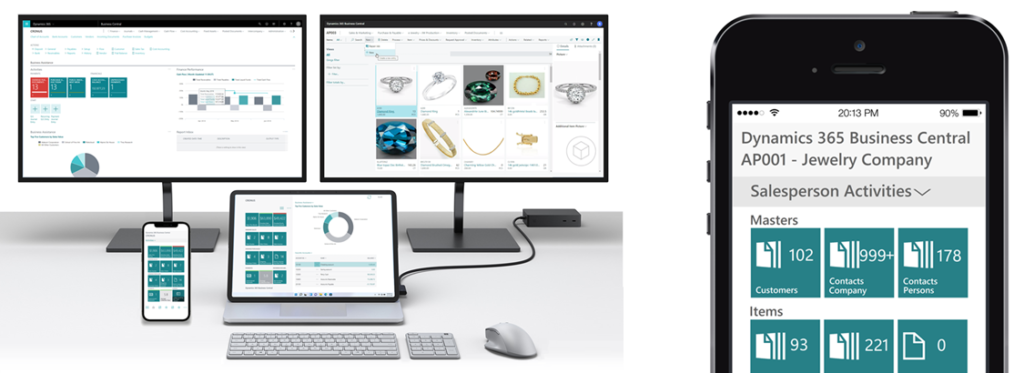
Understanding the full scope of jewelry ERP pricing can feel overwhelming, especially when your business must balance operational needs, technology requirements, and long-term return on investment. Whether you operate a growing retail jewelry store, a wholesale operation, a manufacturing shop, or a diamond trading business, the right Enterprise Resource Planning (ERP) software can transform your workflows, automate manual tasks, and support your strategic growth. However, as with any mission-critical system, cost is a major consideration. Price models vary significantly depending on your deployment type, business size, customization needs, and long-term support requirements. This guide breaks down jewelry ERP software costs to help you plan effectively and invest wisely.
Understanding Jewelry ERP Pricing Models
Jewelry ERP systems are priced using several different structures. While many modern solutions lean toward subscription models, traditional license-based pricing remains common, especially for businesses that prefer on-premise installations. Each model has its advantages, and understanding the differences is key to budgeting correctly and avoiding hidden costs down the road.
Cloud vs. On-Premise Jewelry ERP Pricing
Cloud-based jewelry ERP systems typically follow a subscription-based model. You pay a recurring fee, often monthly or annually, based on the number of users, modules, or transaction volume. This model offers predictable ongoing costs and requires minimal upfront investment. Because cloud ERP solutions are hosted by the provider, you avoid server purchases, IT staff expansion, and system maintenance expenses. Security updates, enhancements, and backups are generally included. Cloud pricing is ideal for jewelers looking for scalability without large capital expenditures.
Typical cloud ERP pricing considerations include:
- Per-user subscription fees
- Module-based add-ons (e.g., inventory management, POS, manufacturing, repair tracking, CRM)
- Storage or data-usage fees
- Implementation, onboarding, and training
- Ongoing support packages
On-premise jewelry ERP systems, on the other hand, involve a one-time license purchase. While this upfront cost is higher, long-term ownership can appeal to businesses wanting full control over their systems. However, it also means paying for servers, IT management, updates, security patches, and manual system maintenance. For some jewelers, especially those with complex manufacturing operations or strict data-security requirements, on-premise solutions may still be the preferred choice, but it’s crucial to understand that the total cost of ownership can exceed the initial software license.
Common on-premise pricing considerations include:
- One-time license fee per user or per site
- Cost of servers and hardware
- Installation, configuration, and customization
- Ongoing maintenance and IT staffing
- Periodic upgrade fees
Both models can deliver exceptional value, but cloud solutions are increasingly viewed as more cost-efficient and flexible for today’s fast-changing jewelry industry.
What Factors Influence Jewelry ERP Software Cost?
No two jewelry businesses are identical, and ERP pricing reflects that reality. Several factors influence the overall budget required for implementation and long-term operation.
Typical Costs for Small vs. Enterprise Jewelers
1. Business Size and User Count
Smaller jewelry retailers or wholesalers often require fewer users and more streamlined functionality, resulting in lower monthly or annual costs. A small business may pay anywhere from a few hundred to a few thousand dollars per month, depending on the modules selected.
Enterprise-level jewelers, multi-store chains, and manufacturing organizations typically need:
- Dozens or hundreds of users
- Advanced manufacturing or diamond-grading modules
- Integration with external systems
- Enhanced automation and analytics
These expanded requirements increase implementation complexity and licensing fees. Enterprise deployments may include tiered pricing, volume discounts, or entirely customized contracts.
2. Required Features and Modules
Jewelry ERP systems vary significantly in the breadth and depth of included functionality. High-value modules often include:
- Advanced inventory and stock tracking
- Diamond parcel and memo management
- Manufacturing workflows for custom designs or mass production
- Repair and service management
- Vendor and supply chain tools
- Accounting, sales, and CRM integration
- Point of Sale (POS) systems
- E-commerce connectors
The more modules you need, the more the system may cost, though a comprehensive ERP can reduce the need for third-party tools, ultimately saving money long-term.
3. Customization and Configuration
Every jewelry business has unique workflows, and while modern ERP solutions offer robust out-of-the-box functionality, customization is sometimes necessary. This may include custom reports, workflow automation, integrations with diamond-grading systems, or multi-location inventory syncing. Configuration costs can range from minimal for smaller setups to substantial for enterprise operations requiring deep tailoring.
4. Implementation and Training
ERP implementation is a significant phase that includes data migration, testing, configuration, and staff training. Jewelry businesses often have complex product catalogs, unique item attributes, and serialized stones or metal components, making professional implementation essential. Proper training ensures your staff can fully leverage the system, minimizing downtime and operational disruption.
5. Support and Upgrades
Ongoing support is typically offered as:
- Tiered service plans
- Per-incident fees
- Included customer care for subscription models
Cloud ERP customers generally receive automatic updates, while on-premise customers may need to purchase upgrade packages periodically. Support costs help maintain system performance and ensure your investment continues delivering value.
6. Hardware and Infrastructure (for On-Premise Solutions)
On-premise deployments require:
- Servers
- Backup systems
- Security tools
- Networking equipment
- IT personnel
These can add thousands, or tens of thousands, of dollars in long-term costs.
7. Integration Requirements
Jewelers often need ERP systems that integrate with:
- E-commerce platforms
- Point of Sale systems
- Marketplaces
- Third-party logistics
- Diamond certification databases
Complex integrations can influence both initial and ongoing costs.
Choosing the Right ERP for Your Jewelry Business
Selecting an ERP system is not just about cost; it’s about strategic value. To choose a solution that supports long-term business growth, it’s important to evaluate total ownership costs alongside capability, usability, and long-term scalability.
Estimating Long-Term Value and ROI
The ROI of jewelry ERP software extends far beyond the upfront price tag. Look for ways a system can:
- Automate repetitive tasks, saving labor costs
- Reduce inventory errors and shrinkage
- Increase sales visibility and forecasting accuracy
- Strengthen customer experiences with integrated CRM
- Streamline repair, manufacturing, and custom order workflows
- Improve financial reporting and compliance
- Enhance productivity through real-time analytics
Many jewelers discover that their ERP system pays for itself within months by eliminating inefficiencies and enabling smarter decision-making. A strong ERP also supports scalability, helping you manage rapid growth, expand into new markets, or open additional retail locations without overhauling your technology stack.
Questions to evaluate ROI include:
- How much time will automation save employees each day?
- What is the cost of errors, slow processes, or manual data entry?
- Will centralized inventory improve purchasing decisions?
- How fast can staff be trained on the new system?
- Does the ERP grow with the business or create rigid limitations?
A smart investment in ERP delivers long-term value, not just short-term functionality.
Schedule a Call with Business Computing (BCI) Today
Jewelry ERP software costs vary widely based on deployment model, business size, customization needs, and long-term support requirements. Cloud ERP solutions offer predictable subscription-based pricing and lower upfront costs, making them an excellent fit for many modern jewelers. On-premise ERP systems require larger initial investments but offer greater control for businesses with robust IT infrastructure. Ultimately, the best solution balances cost with capability, helping your business operate efficiently, profitably, and with confidence.
At BCI, a Microsoft Partner and the developer of e-Jewelry Software©, we understand that the ideal jewelry business solution should address the unique needs of jewelry and diamond operations without introducing unnecessary complexity. Our mission has always been to provide intuitive, full-featured, highly integrated software that is easy to use, easy to upgrade, and powerful enough to support every jeweler, manufacturer, trader, or importer. We are proud to help hundreds of jewelry companies access a solution tailored to jewelry industry standards, empowering them to run and expand their businesses with clarity and confidence.
Ready to explore a tailored ERP solution designed specifically for the jewelry industry? Contact us and discover how e-Jewelry Software© can elevate your operations, streamline your workflows, and support your long-term growth.