Blog

  • What Are the Benefits of Cloud-Based Jewelry ERP?

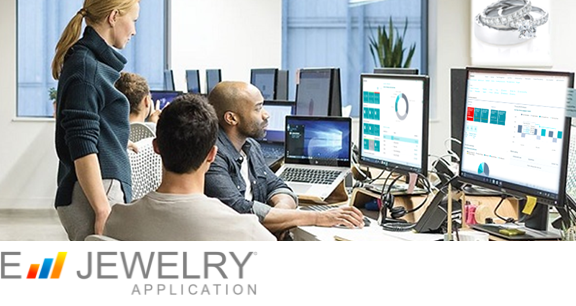
    Jewelry business team using cloud-based ERP software for operations and reporting

    Jewelry retailers, manufacturers, and wholesalers increasingly recognize that traditional on-premise ERP systems no longer provide the speed, flexibility, and insights required in today’s fast-moving marketplace. As competition intensifies and consumers expect real-time visibility into orders, repairs, inventory, and customization options, cloud-based jewelry ERP has emerged as the smarter, more scalable choice. Cloud platforms deliver the reliability and power jewelry operations need, without the high overhead or limitations of legacy systems. They also give business owners the freedom to access critical data whenever and wherever they need it, something that’s quickly becoming essential in a more mobile and multi-location business environment.

    Why Jewelers Are Moving to Cloud-Based ERP

    The shift toward cloud systems isn’t just a trend; it’s a direct response to the challenges and inefficiencies jewelers face when relying on outdated software or standalone tools that don’t communicate well with each other. Unlike on-premise ERP systems, which require servers, hardware investments, and constant IT maintenance, cloud platforms eliminate much of the complexity behind running a modern jewelry business. Cloud ERP solutions automatically update, scale effortlessly, and provide the advanced security frameworks needed to safeguard sensitive inventory and customer data. Jewelers today manage a unique blend of operational demands, including tracking serialized items, handling metal and gemstone pricing fluctuations, managing repairs, overseeing custom builds, maintaining certificates, and ensuring compliance with complex industry standards. Cloud ERP centralizes all these functions within a single platform, turning what used to be hours of manual work into a reliable, automated workflow. This not only improves efficiency but ultimately reduces errors and drives better business decisions.

    Scalability and Remote Access Advantages

    One of the greatest advantages of cloud-based jewelry ERP is its ability to grow with your business. Whether a company is expanding into multiple locations, adding eCommerce channels, or increasing its product lines, cloud ERP systems adapt instantly without the need for new servers or costly hardware. Scalability in a cloud environment is seamless; businesses can simply add new users, modules, or features as needed. There’s no downtime, no physical installation, and no disruption to your daily workflows. Remote access is another major game-changer. Cloud ERP allows owners, managers, and authorized team members to access real-time information from any device with an internet connection. This enables multi-store operations to function cohesively, provides accurate inventory insights across all locations, and empowers sales teams to check availability, pricing, or customer histories even when off-site or traveling to trade shows. For an industry where speed, accuracy, and personalized service matter, this ability to work from anywhere strengthens profitability and customer satisfaction.

    Key Benefits of Cloud Jewelry ERP Systems

    While accessibility and scalability are powerful advantages, cloud ERP solutions provide many additional benefits that are increasingly important for jewelry businesses aiming to stay competitive.

    Comparing Cloud and Local Jewelry ERP Costs

    Cost efficiency is one of the most compelling reasons jewelers switch to cloud-based systems. On-premise ERP models involve upfront capital expenses, including servers, networking hardware, data backup systems, and sometimes full-time IT staff. They also require manual upgrades, which can be expensive and disruptive. In contrast, cloud ERP systems operate on a subscription model that includes hosting, support, regular updates, enhanced security, and backups. There’s no need to purchase or maintain physical infrastructure, which dramatically reduces the total cost of ownership. For smaller jewelry businesses or rapidly growing companies, this predictable monthly expense provides financial flexibility and eliminates the burden of unexpected IT costs. Additionally, updates and enhancements roll out automatically, ensuring the system remains current without the need for downtime or technical intervention. Beyond direct cost savings, cloud ERP improves operational efficiency, reducing labor hours associated with manual entry, reconciliation, compliance tracking, and inventory adjustments. These time savings translate into additional profitability and allow staff to focus on customer service and sales.

    Security and Maintenance Considerations

    Security is a top concern in the jewelry industry, not just for physical assets but for digital ones as well. Customer profiles, pricing structures, supplier contracts, gemstone certifications, and serialized inventory must all be protected. Cloud ERP providers invest heavily in advanced cybersecurity measures that far exceed what most businesses can implement locally. This includes encrypted data transfers, regular backups, multi-factor authentication, controlled user permissions, and continuous system monitoring. With cloud ERP, updates and security patches are handled automatically. On-premise systems, however, rely on internal teams or outside vendors to perform patches and fixes, which can lead to delays and increased vulnerability. The maintenance burden is also significantly reduced with a cloud solution. Instead of dedicating resources to managing servers, troubleshooting hardware failures, or coordinating upgrades, jewelry businesses can focus entirely on improving operations, sales, and customer experiences. Cloud platforms ensure high uptime, consistent performance, and automatic failover protection, critical for avoiding disruptions during peak seasons or high-value transactions.

    Is Cloud ERP Right for Your Jewelry Store?

    The move to cloud ERP represents a transformative shift for jewelry businesses, but it is not a one-size-fits-all decision. Understanding your business model, growth goals, and operational challenges can help determine whether cloud ERP is the right fit. Jewelers who benefit most from cloud systems tend to share certain characteristics: they operate multiple locations; they rely heavily on real-time inventory visibility; they want to reduce manual work and duplicate data entry; they are adding eCommerce or omnichannel capabilities; they are scaling quickly; or they face ongoing challenges with their legacy systems. Cloud ERP provides these jewelers with centralized data, automated workflows, smart reporting tools, and the flexibility to adapt as the business evolves. However, businesses with highly specialized legacy integrations or limited internet access may consider a hybrid approach, easing into cloud capabilities over time. What is clear across the industry is that cloud ERP brings a competitive advantage. It helps jewelry operations streamline processes, reduce costs, make better data-driven decisions, and create consistent customer experiences, whether in-store, online, or across multiple channels.

    Strengthening Your Jewelry Business with the Right ERP Partner

    The advantages of cloud-based jewelry ERP, including scalability, accessibility, advanced security, and cost efficiency, make it one of the most important investments a jewelry business can make for long-term growth. As the industry continues to evolve, adopting a modern, cloud-powered solution ensures you stay ahead of customer expectations, operational challenges, and competitive pressures. If you’re considering upgrading to a cloud ERP platform tailored specifically for the jewelry and diamond industries, Business Computing (BCI) is here to help. As a Microsoft Partner and the developer of e-Jewelry Software©, BCI offers a powerful, intuitive, full-featured ERP system built to meet the complexities of jewelry businesses without unnecessary complications. At Business Computing, we truly believe that any jewelry business solution should cover the industry’s unique needs while remaining easy to use and easy to upgrade. Our mission is to give jewelry companies, including manufacturers, wholesalers, retailers, diamond traders, and importers, access to a highly integrated, reliable solution that supports both daily operations and long-term expansion. With e-Jewelry Software©, you gain a system rooted in industry standards, backed by decades of expertise, and engineered to help you run and grow your business confidently. Ready to modernize your operations and experience the advantages of cloud ERP firsthand? Contact us to learn how our solutions can support your success.
  • How Much Does Jewelry ERP Software Cost?

    e-jewelry-multi-device pricing

    Understanding the full scope of jewelry ERP pricing can feel overwhelming, especially when your business must balance operational needs, technology requirements, and long-term return on investment. Whether you operate a growing retail jewelry store, a wholesale operation, a manufacturing shop, or a diamond trading business, the right Enterprise Resource Planning (ERP) software can transform your workflows, automate manual tasks, and support your strategic growth. However, as with any mission-critical system, cost is a major consideration. Price models vary significantly depending on your deployment type, business size, customization needs, and long-term support requirements. This guide breaks down jewelry ERP software costs to help you plan effectively and invest wisely.

    Understanding Jewelry ERP Pricing Models

    Jewelry ERP systems are priced using several different structures. While many modern solutions lean toward subscription models, traditional license-based pricing remains common, especially for businesses that prefer on-premise installations. Each model has its advantages, and understanding the differences is key to budgeting correctly and avoiding hidden costs down the road.

    Cloud vs. On-Premise Jewelry ERP Pricing

    Cloud-based jewelry ERP systems typically follow a subscription-based model. You pay a recurring fee, often monthly or annually, based on the number of users, modules, or transaction volume. This model offers predictable ongoing costs and requires minimal upfront investment. Because cloud ERP solutions are hosted by the provider, you avoid server purchases, IT staff expansion, and system maintenance expenses. Security updates, enhancements, and backups are generally included. Cloud pricing is ideal for jewelers looking for scalability without large capital expenditures.

    Typical cloud ERP pricing considerations include:

    • Per-user subscription fees
    • Module-based add-ons (e.g., inventory management, POS, manufacturing, repair tracking, CRM)
    • Storage or data-usage fees
    • Implementation, onboarding, and training
    • Ongoing support packages

    On-premise jewelry ERP systems, on the other hand, involve a one-time license purchase. While this upfront cost is higher, long-term ownership can appeal to businesses wanting full control over their systems. However, it also means paying for servers, IT management, updates, security patches, and manual system maintenance. For some jewelers, especially those with complex manufacturing operations or strict data-security requirements, on-premise solutions may still be the preferred choice, but it’s crucial to understand that the total cost of ownership can exceed the initial software license.

    Common on-premise pricing considerations include:

    • One-time license fee per user or per site
    • Cost of servers and hardware
    • Installation, configuration, and customization
    • Ongoing maintenance and IT staffing
    • Periodic upgrade fees

    Both models can deliver exceptional value, but cloud solutions are increasingly viewed as more cost-efficient and flexible for today’s fast-changing jewelry industry.

    What Factors Influence Jewelry ERP Software Cost?

    No two jewelry businesses are identical, and ERP pricing reflects that reality. Several factors influence the overall budget required for implementation and long-term operation.

    Typical Costs for Small vs. Enterprise Jewelers

    1. Business Size and User Count
    Smaller jewelry retailers or wholesalers often require fewer users and more streamlined functionality, resulting in lower monthly or annual costs. A small business may pay anywhere from a few hundred to a few thousand dollars per month, depending on the modules selected.

    Enterprise-level jewelers, multi-store chains, and manufacturing organizations typically need:

    • Dozens or hundreds of users
    • Advanced manufacturing or diamond-grading modules
    • Integration with external systems
    • Enhanced automation and analytics

    These expanded requirements increase implementation complexity and licensing fees. Enterprise deployments may include tiered pricing, volume discounts, or entirely customized contracts.

    2. Required Features and Modules
    Jewelry ERP systems vary significantly in the breadth and depth of included functionality. High-value modules often include:

    • Advanced inventory and stock tracking
    • Diamond parcel and memo management
    • Manufacturing workflows for custom designs or mass production
    • Repair and service management
    • Vendor and supply chain tools
    • Accounting, sales, and CRM integration
    • Point of Sale (POS) systems
    • E-commerce connectors

    The more modules you need, the more the system may cost, though a comprehensive ERP can reduce the need for third-party tools, ultimately saving money long-term.

    3. Customization and Configuration
    Every jewelry business has unique workflows, and while modern ERP solutions offer robust out-of-the-box functionality, customization is sometimes necessary. This may include custom reports, workflow automation, integrations with diamond-grading systems, or multi-location inventory syncing. Configuration costs can range from minimal for smaller setups to substantial for enterprise operations requiring deep tailoring.

    4. Implementation and Training
    ERP implementation is a significant phase that includes data migration, testing, configuration, and staff training. Jewelry businesses often have complex product catalogs, unique item attributes, and serialized stones or metal components, making professional implementation essential. Proper training ensures your staff can fully leverage the system, minimizing downtime and operational disruption.

    5. Support and Upgrades
    Ongoing support is typically offered as:

    • Tiered service plans
    • Per-incident fees
    • Included customer care for subscription models

    Cloud ERP customers generally receive automatic updates, while on-premise customers may need to purchase upgrade packages periodically. Support costs help maintain system performance and ensure your investment continues delivering value.

    6. Hardware and Infrastructure (for On-Premise Solutions)
    On-premise deployments require:

    • Servers
    • Backup systems
    • Security tools
    • Networking equipment
    • IT personnel

    These can add thousands, or tens of thousands, of dollars in long-term costs.

    7. Integration Requirements
    Jewelers often need ERP systems that integrate with:

    • E-commerce platforms
    • Point of Sale systems
    • Marketplaces
    • Third-party logistics
    • Diamond certification databases

    Complex integrations can influence both initial and ongoing costs.

    Choosing the Right ERP for Your Jewelry Business

    Selecting an ERP system is not just about cost; it’s about strategic value. To choose a solution that supports long-term business growth, it’s important to evaluate total ownership costs alongside capability, usability, and long-term scalability.

    Estimating Long-Term Value and ROI

    The ROI of jewelry ERP software extends far beyond the upfront price tag. Look for ways a system can:

    • Automate repetitive tasks, saving labor costs
    • Reduce inventory errors and shrinkage
    • Increase sales visibility and forecasting accuracy
    • Strengthen customer experiences with integrated CRM
    • Streamline repair, manufacturing, and custom order workflows
    • Improve financial reporting and compliance
    • Enhance productivity through real-time analytics

    Many jewelers discover that their ERP system pays for itself within months by eliminating inefficiencies and enabling smarter decision-making. A strong ERP also supports scalability, helping you manage rapid growth, expand into new markets, or open additional retail locations without overhauling your technology stack.

    Questions to evaluate ROI include:

    • How much time will automation save employees each day?
    • What is the cost of errors, slow processes, or manual data entry?
    • Will centralized inventory improve purchasing decisions?
    • How fast can staff be trained on the new system?
    • Does the ERP grow with the business or create rigid limitations?

    A smart investment in ERP delivers long-term value, not just short-term functionality.

    Schedule a Call with Business Computing (BCI) Today

    Jewelry ERP software costs vary widely based on deployment model, business size, customization needs, and long-term support requirements. Cloud ERP solutions offer predictable subscription-based pricing and lower upfront costs, making them an excellent fit for many modern jewelers. On-premise ERP systems require larger initial investments but offer greater control for businesses with robust IT infrastructure. Ultimately, the best solution balances cost with capability, helping your business operate efficiently, profitably, and with confidence.

    At BCI, a Microsoft Partner and the developer of e-Jewelry Software©, we understand that the ideal jewelry business solution should address the unique needs of jewelry and diamond operations without introducing unnecessary complexity. Our mission has always been to provide intuitive, full-featured, highly integrated software that is easy to use, easy to upgrade, and powerful enough to support every jeweler, manufacturer, trader, or importer. We are proud to help hundreds of jewelry companies access a solution tailored to jewelry industry standards, empowering them to run and expand their businesses with clarity and confidence.

    Ready to explore a tailored ERP solution designed specifically for the jewelry industry? Contact us and discover how e-Jewelry Software© can elevate your operations, streamline your workflows, and support your long-term growth.

  • What Should Be in a Jewelry ERP Vendor Evaluation Checklist?

    jewelry ERP vendor evaluation checklist

    Selecting the right enterprise resource planning (ERP) solution is one of the most crucial decisions a jewelry business can make. From managing intricate inventory systems to streamlining customer relations and integrating diamond certification processes, a tailored ERP platform can revolutionize how a jewelry company operates. However, choosing the right vendor is not always straightforward. That’s why having a jewelry ERP vendor evaluation checklist is vital. This checklist ensures that every important factor, like functionality, support, scalability, integration, and industry expertise, is assessed thoroughly before committing to a system that will define your business operations for years to come.

    Jewelry ERP Vendor Evaluation Checklist Essentials

    Evaluating ERP vendors for the jewelry industry requires looking beyond generic business software. The jewelry trade involves unique complexities, including tracking gemstones, maintaining precious metal inventories, managing custom designs, and ensuring compliance with industry-specific regulations. Below are the essentials that every jewelry company should include in its evaluation process.

    Key Items in a Jewelry ERP Vendor Evaluation Checklist

    1. Industry-Specific Functionality
    A jewelry ERP should be designed with the nuances of the trade in mind. Standard ERP systems might handle inventory and accounting well enough, but they often lack modules for grading, certification tracking, gemstone categorization, and pricing that fluctuates with metal markets. The right system should include features such as:

    • Multi-level bill of materials for complex jewelry designs.
    • Barcode or RFID tracking for individual pieces and gemstones.
    • Integrated metal and gemstone price updates.
    • Custom design and repair order management.
    • Certification and grading management for diamonds and gemstones.

    The software must mirror your operational reality, not the other way around. A vendor with deep jewelry industry expertise can offer pre-configured workflows that save time and reduce customization costs.

    2. Integration Capabilities
    Your ERP system should seamlessly connect with other software platforms critical to your business, such as point-of-sale systems, e-commerce stores, CAD design tools, and accounting software. Ask vendors how easily their solution integrates with Microsoft Office, QuickBooks, Shopify, or Magento. Smooth integration not only prevents data silos but also ensures consistency across departments, from sales to production to finance.

    3. Customization and Scalability
    Jewelry businesses grow and evolve, and your ERP system should grow with you. Evaluate how customizable each solution is to your unique workflows and how easily it can scale as your operations expand. A vendor that offers modular solutions lets you add new features when needed without having to overhaul your entire system.

    4. Data Security and Compliance
    With sensitive information about customers, transactions, and inventory, your ERP must include strong security measures. Look for role-based access controls, audit trails, data encryption, and cloud backup features. Additionally, make sure the system complies with any applicable regional regulations or data privacy standards.

    5. User Experience and Training
    A powerful ERP is only as good as its usability. Jewelry businesses often have diverse staff, from gemologists and sales associates to accountants and designers. The software interface should be intuitive and accessible to non-technical users. Ask vendors about their training programs and whether they provide easy-to-understand documentation or on-demand learning resources.

    6. Vendor Reputation and Experience
    Choose a vendor that has a proven track record in the jewelry industry. Request case studies, customer references, or testimonials from similar-sized companies. Vendors with long-standing industry relationships tend to understand the challenges specific to jewelry retailers, manufacturers, and diamond traders better than generic software providers.

    7. Cost Transparency
    ERP pricing can be complex, involving license fees, implementation costs, training, and ongoing maintenance. Ensure that the vendor provides a clear and comprehensive breakdown of all associated costs. Avoid vendors who withhold critical pricing details until late in the sales process.

    8. Cloud vs. On-Premise Flexibility
    Consider whether you need an on-premise solution for tighter control or a cloud-based ERP for flexibility and accessibility. Cloud ERP systems often offer lower upfront costs, automatic updates, and better scalability. However, some jewelers prefer on-premise installations for greater data control. Your vendor should offer flexible deployment options tailored to your needs.

    Importance of Post-Implementation Support

    Implementing an ERP system is only the beginning. Post-implementation support determines whether your system continues to deliver value over time. Jewelry businesses can’t afford prolonged downtime, especially during high sales seasons or trade events. That’s why vendor support quality is a critical criterion in your jewelry ERP vendor evaluation checklist.

    1. Availability and Responsiveness
    Ask about the vendor’s support hours, response times, and service level agreements (SLAs). For global jewelry operations, 24/7 support can be crucial.

    2. Dedicated Account Management
    Vendors that assign a dedicated account manager provide continuity and a deeper understanding of your business. This approach minimizes frustration and ensures that support requests are handled efficiently.

    3. Regular Updates and Maintenance
    Your ERP system must evolve with your business and technology changes. Confirm that your vendor provides regular updates, bug fixes, and feature enhancements. These updates should improve security and performance without causing major disruptions.

    4. Training and Knowledge Sharing
    Continuous learning opportunities help staff get the most out of the ERP system. Vendors that provide refresher courses, online tutorials, or webinars empower your team to leverage the system fully.

    Reliable post-implementation support not only protects your investment but also ensures long-term operational stability.

    Red Flags to Spot in Vendor Proposals

    When reviewing ERP vendor proposals, it’s important to recognize potential warning signs that could signal trouble ahead.

    1. Lack of Jewelry Industry Experience
    A vendor may promise to “customize” a generic ERP system for jewelry businesses, but this often leads to higher costs, longer implementation times, and features that don’t fully meet industry requirements. Vendors should have demonstrable jewelry business expertise backed by case studies or client references.

    2. Vague Implementation Timelines
    If a vendor avoids giving specific milestones or deadlines, it may indicate that they lack a structured deployment process. Look for a detailed project plan that includes phases for data migration, testing, training, and go-live.

    3. Limited Integration Options
    ERP systems that operate in isolation will create data silos. If the vendor’s system doesn’t support integration with your existing tools, you could face costly workarounds later.

    4. Overly Complicated User Interface
    Some ERP systems boast a wide range of features but overwhelm users with complexity. A cluttered interface can reduce adoption rates and lead to operational inefficiencies.

    5. Hidden Costs
    Unclear pricing structures, additional fees for basic features, or mandatory long-term contracts can all spell trouble. Ensure transparency from the start and request a full cost breakdown, including maintenance and future upgrades.

    Spotting these red flags early helps you avoid expensive missteps and ensures that your ERP implementation proceeds smoothly.

    What to Ask Before Choosing an ERP Provider

    Before committing to any ERP vendor, jewelry business owners and managers should conduct thorough due diligence. The questions you ask can reveal how well a vendor understands your industry and how committed they are to a long-term partnership.

    1. How long have you been serving the jewelry industry?
    Experience matters. A vendor that has served jewelry businesses for years is more likely to have encountered and solved the same challenges you face.

    2. What jewelry-specific features does your ERP system include out of the box?
    Look for modules built specifically for jewelry operations, such as diamond inventory management, custom job tracking, and hallmarking management.

    3. How easily can your ERP system integrate with our existing tools and e-commerce platforms?
    Integration capabilities determine how efficiently your data flows between departments. Confirm that the system connects seamlessly to your accounting, CRM, and online sales channels.

    4. What is your typical implementation timeline?
    Request a clear roadmap from system setup to go-live, including milestones for testing and staff training.

    5. What kind of ongoing support do you provide?
    Ask about support packages, escalation paths, and how frequently updates are released. Reliable vendors provide continuous improvement, not just reactive support.

    6. How do you handle upgrades and new features?
    Some vendors charge extra for upgrades or require complete reimplementation. Ensure that updates are seamless and do not disrupt your operations.

    7. Can you provide customer references or case studies?
    Talking to existing clients helps validate the vendor’s claims and provides insight into their performance and support quality.

    8. What is the total cost of ownership (TCO) over five years?
    The initial license fee is only part of the cost. Ask for estimates on implementation, customization, support, and future upgrades to determine the full financial impact.

    9. How does your solution improve operational efficiency?
    Look for concrete examples of how the ERP can automate routine tasks, reduce errors, or enhance reporting.

    These questions help you distinguish between generic software providers and vendors who truly understand and serve the jewelry industry.

    Comparing ERP Vendors for Jewelry Businesses

    When it’s time to compare vendors, consider creating a weighted scoring system based on your business priorities. The categories below can help guide your comparison process and ensure you make an informed decision.

    1. Functional Fit
    Evaluate how closely each ERP system aligns with your operational processes. Prioritize jewelry-specific functions such as gemstone grading, repair tracking, and precious metal costing.

    2. Ease of Implementation
    Some ERP systems require months of customization, while others offer quick deployment with pre-built industry templates. Vendors who specialize in jewelry ERPs typically have faster and smoother implementation cycles.

    3. Integration and Compatibility
    Rank each vendor on their ability to integrate with existing systems and tools. Compatibility with e-commerce platforms and financial software is particularly critical for jewelry retailers and wholesalers.

    4. Vendor Stability and Reputation
    Research each vendor’s history, client base, and financial stability. Reliable vendors with a proven track record in the jewelry industry are less likely to pose long-term risks.

    5. Total Cost of Ownership
    Compare not only the upfront licensing costs but also long-term expenses for training, maintenance, and upgrades. Be wary of vendors that offer low entry prices but impose high annual fees.

    6. Support and Service Quality
    Evaluate the responsiveness, accessibility, and technical expertise of each vendor’s support team. Read reviews or testimonials to gauge how vendors handle post-implementation issues.

    7. User Experience and Training
    Consider the learning curve for your staff. A system that’s intuitive and well-documented will reduce training time and promote widespread adoption.

    8. Scalability and Future Readiness
    Ensure the ERP can scale as your business grows, whether you expand into new markets or introduce additional product lines. Cloud-based solutions often provide the flexibility and scalability required for modern jewelry operations.

    Bringing It All Together

    Once your team has gathered data on each vendor, hold a collaborative review session to compare findings. Consider creating a scorecard that rates each vendor across key criteria such as functionality, integration, usability, and support. The highest-scoring vendor may not necessarily be the cheapest, but they will likely deliver the best long-term value.

    Why a Jewelry-Specific ERP Makes the Difference

    Generic ERP systems often fail to address the complexity of jewelry businesses. They lack features such as gemstone traceability, flexible pricing tied to metal market fluctuations, and customized reporting for high-value inventory. A jewelry-focused ERP system provides a tailored experience designed to streamline production, manage certifications, and support both retail and wholesale operations.

    When a system is built for your industry, it reduces the need for heavy customization, shortens deployment times, and offers immediate value. It also ensures that every module, from design to accounting, works harmoniously under a single, integrated platform.

    Choose a Partner Who Understands the Jewelry Business

    Selecting an ERP system is not just a software purchase; it’s a strategic partnership that shapes how your business operates and grows. The best vendor will take time to understand your processes, customize solutions for your needs, and support you long after implementation.

    A comprehensive jewelry ERP vendor evaluation checklist ensures that you’re making a decision based on data, not promises. It helps you identify vendors who align with your business objectives, budget, and long-term vision.

    Partner with Business Computing (BCI)

    At Business Computing (BCI), a proud Microsoft Partner, we understand the unique demands of the jewelry and diamond industries. As the developer of e-Jewelry Software©, our mission has always been to deliver ERP solutions that are intuitive, full-featured, and built specifically for jewelers, diamond traders, and manufacturers.

    We believe every jewelry business deserves software that fits their processes, not the other way around. Our solution combines robust functionality with simplicity, ensuring it’s easy to use, highly integrated, and scalable for businesses of all sizes. Whether you’re a small workshop or an international jewelry enterprise, BCI offers a solution tailored to your needs.

    Join hundreds of jewelry businesses that have streamlined their operations, improved inventory control, and enhanced profitability with e-Jewelry Software©. Contact us today to learn how our team can help your business run more efficiently and grow with confidence.

  • How Does Jewelry Business Back Office Automation Work?

     Jewelry business back office automation

    Jewelry Business Back Office Automation Explained

    In today’s fast-paced and competitive retail environment, efficiency and precision are key drivers of success. This is especially true for jewelers managing everything from inventory and sales to accounting and human resources. Jewelry business back office automation refers to using advanced software systems, such as Enterprise Resource Planning (ERP), to handle the administrative and operational processes that support the front-end of a jewelry business. These back-office operations may include tasks like payroll management, bookkeeping, purchasing, inventory tracking, and supply chain management. When automated through an ERP platform, these processes work together in a unified digital environment, reducing the need for manual input and improving accuracy across departments.

    For jewelry businesses, the stakes are high. Managing gemstones, precious metals, custom designs, and serialized items requires meticulous organization. Manual data entry and fragmented systems often lead to errors, inefficiencies, and delays. Automation bridges this gap by allowing all essential operations to flow seamlessly, ensuring data consistency, traceability, and compliance across all aspects of the business.

    Benefits of Automating Back Office Processes

    Implementing jewelry business back office automation offers both short-term and long-term benefits. The most immediate advantage is the reduction of manual labor. Automation replaces repetitive administrative tasks, like entering invoices or reconciling accounts, with intelligent workflows. This allows business owners and staff to focus more on customer experience and creative craftsmanship rather than routine paperwork.

    Automation also significantly improves accuracy. Human error is inevitable when managing complex data across multiple spreadsheets or disconnected systems. By centralizing data in a single ERP platform, information only needs to be entered once and can be accessed by multiple departments. This reduces duplicate entries, ensures real-time data updates, and provides reliable reporting.

    From a strategic perspective, automation enhances decision-making. With integrated analytics and dashboards, managers gain a complete overview of financial performance, inventory levels, and workforce productivity. These insights support proactive business strategies, such as adjusting purchasing plans, managing pricing, or forecasting demand. In the jewelry sector, where margins can be tight and materials costly, the ability to make quick, data-driven decisions is invaluable.

    Key Jewelry Business Back Office Automation Features

    Modern ERP systems designed for the jewelry industry come equipped with specialized features tailored to its unique operational needs. Some of the most critical include:

    1. Accounting and Financial Management: Jewelry ERPs automate all financial processes, including general ledger, accounts payable and receivable, and tax management. They handle complex pricing structures, track costs of raw materials, and manage customer invoices with accuracy. Integration with banking and payment systems also ensures smooth financial reconciliation.

    2. Inventory and Material Control: One of the most challenging aspects of jewelry management is tracking inventory, especially for items with unique serial numbers or certifications. Automated systems monitor raw materials, semi-finished products, and finished goods in real time. With batch tracking and barcode integration, jewelers can maintain visibility from procurement to sale.

    3. Customer Relationship Management (CRM): Automation enhances customer service by centralizing customer profiles, purchase history, and preferences. This enables sales teams to deliver personalized recommendations and follow-ups while ensuring that marketing campaigns reach the right audience.

    4. HR and Payroll Automation: Managing staff schedules, benefits, and payroll becomes much easier with automated HR systems. They ensure compliance with labor laws, simplify timesheet management, and streamline employee onboarding and performance tracking.

    5. Production and Order Management: ERP automation connects design, manufacturing, and sales departments in one streamlined process. This integration ensures that custom jewelry orders are tracked accurately from quotation to production and delivery, reducing lead times and errors.

    6. Reporting and Compliance: Jewelry businesses often face strict regulations and audit requirements, particularly regarding diamond traceability and metal sourcing. Automated systems generate precise reports that help ensure compliance with industry standards and ethical sourcing regulations.

    Cost Savings from Automating Manual Work

    While implementing ERP solutions requires an initial investment, the long-term savings quickly justify the cost. Manual operations often lead to inefficiencies that translate into wasted time, materials, and labor. Automation eliminates these losses. For instance, automating inventory management prevents overstocking or understocking, both of which can tie up valuable capital or result in missed sales opportunities.

    Automated financial systems also minimize the need for external accounting services and reduce the risk of costly errors in bookkeeping or tax filings. Streamlined HR processes mean that fewer administrative hours are spent on payroll calculations, benefits tracking, or recruitment paperwork. In essence, automation enables each department to operate with fewer resources while producing more accurate and timely results.

    Moreover, automation improves cash flow management. Automated invoicing ensures that payments are sent and received on time, while real-time expense tracking helps managers monitor profitability. The combined effect is a leaner, more agile organization that can reallocate resources toward growth rather than overhead.

    For small to medium-sized jewelry businesses, these savings can make the difference between steady growth and stagnation. For larger enterprises, automation supports scalability, allowing them to manage expanding operations without the need to proportionally increase staff or administrative costs.

    How ERP Systems Streamline Daily Operations

    An ERP system acts as the central nervous system of a jewelry business. It connects departments that traditionally operate in silos, allowing them to share data seamlessly and collaborate efficiently. For example, when a new customer order is entered into the sales module, the system automatically updates inventory levels, triggers production workflows, and alerts the accounting team to generate an invoice. This interconnectedness ensures that every part of the operation functions in harmony.

    Integrated Workflows: By connecting sales, production, and logistics, ERP automation reduces communication delays. Jewelers can instantly see which products are in stock, which materials need replenishing, and when deliveries are due. Automated alerts and task assignments ensure that nothing slips through the cracks.

    Real-Time Data Access: Managers and team members can access updated data anytime, whether they’re in the workshop, showroom, or office. This transparency fosters collaboration and allows for faster decision-making.

    Enhanced Quality Control: Automated tracking of each production step ensures that every piece of jewelry meets quality standards. Defects or discrepancies can be detected early, reducing waste and rework costs.

    Scalability and Flexibility: ERP systems grow with the business. As operations expand to include multiple stores, online channels, or international markets, automation adapts to handle increased complexity without requiring manual adjustments.

    Case Examples of Automation in Jewelry Businesses

    Consider a mid-sized jewelry retailer that manages hundreds of SKUs across multiple stores and an online platform. Before automation, the team manually updated spreadsheets to track sales and stock, leading to inconsistencies and frequent inventory mismatches. After implementing jewelry-specific ERP software, the company integrated sales and inventory data in real time. The system automatically reordered best-selling items and generated detailed sales reports. Within months, the business reduced inventory discrepancies by over 90% and improved customer satisfaction through better product availability.

    In another example, a diamond importer struggled with tracking certification details and valuation for each stone. Using an automated ERP solution, they digitized certificate management and linked each diamond’s serial number to its transaction history. This reduced administrative time by half and ensured compliance with ethical sourcing regulations.

    A custom jewelry manufacturer also benefited from automating production management. Before automation, order tracking was paper-based, causing delays between design approval and manufacturing. After implementing ERP automation, digital workflows connected design software to production scheduling. Orders were automatically updated with progress reports, significantly reducing delivery times and improving communication between designers and craftsmen.

    These examples illustrate that automation not only enhances efficiency but also builds customer trust and operational resilience.

    The Future of Jewelry Business Automation

    The next generation of jewelry business automation is being shaped by artificial intelligence and data analytics. Predictive analytics can forecast demand patterns, helping businesses optimize production and purchasing. AI-driven chatbots can enhance customer engagement, while robotic process automation (RPA) further eliminates manual data handling. The combination of ERP with cloud technology also enables remote access, ensuring continuity and flexibility in a changing business environment.

    Ultimately, automation doesn’t replace human creativity or craftsmanship; it empowers it. By freeing jewelers from administrative burdens, technology allows them to focus on design innovation, customer relationships, and brand growth.

    Partner with Business Computing for Smarter Jewelry ERP Solutions

    At Business Computing (BCI), we understand that every jewelry business is unique. That’s why our e-Jewelry Software© was developed specifically for jewelers, diamond traders, and importers who need a system that simplifies rather than complicates. As a trusted Microsoft Partner, BCI has dedicated years to perfecting ERP solutions that combine intuitive design with powerful functionality.

    Our mission is simple: to provide software that is intuitive, full-featured, highly integrated, easy to use, and easy to upgrade, all while running smoothly for every business, every jeweler, every diamond trader or importer. With e-Jewelry Software©, you gain complete control over accounting, HR, inventory, and operations, ensuring efficiency and accuracy across your business.

    Hundreds of jewelry companies already rely on BCI to run and expand their operations confidently. Now, it’s your turn. Contact us to learn how we can help you transform your jewelry business with intelligent back office automation that saves time, reduces errors, and empowers growth.

  • Privacy

    This Cookie Policy is part of and is incorporated into ours and our partner’s Privacy Policy, partners such as Microsoft. By using the Site, you agree to be bound by this Cookie Policy and our Privacy Policy.